Introduction
Psychology is the scientific study of human behavior, thoughts, and emotions. Although it is considered a modern science today, its roots go back to ancient times, when philosophers sought to understand the nature of the mind and soul.
Ancient Roots
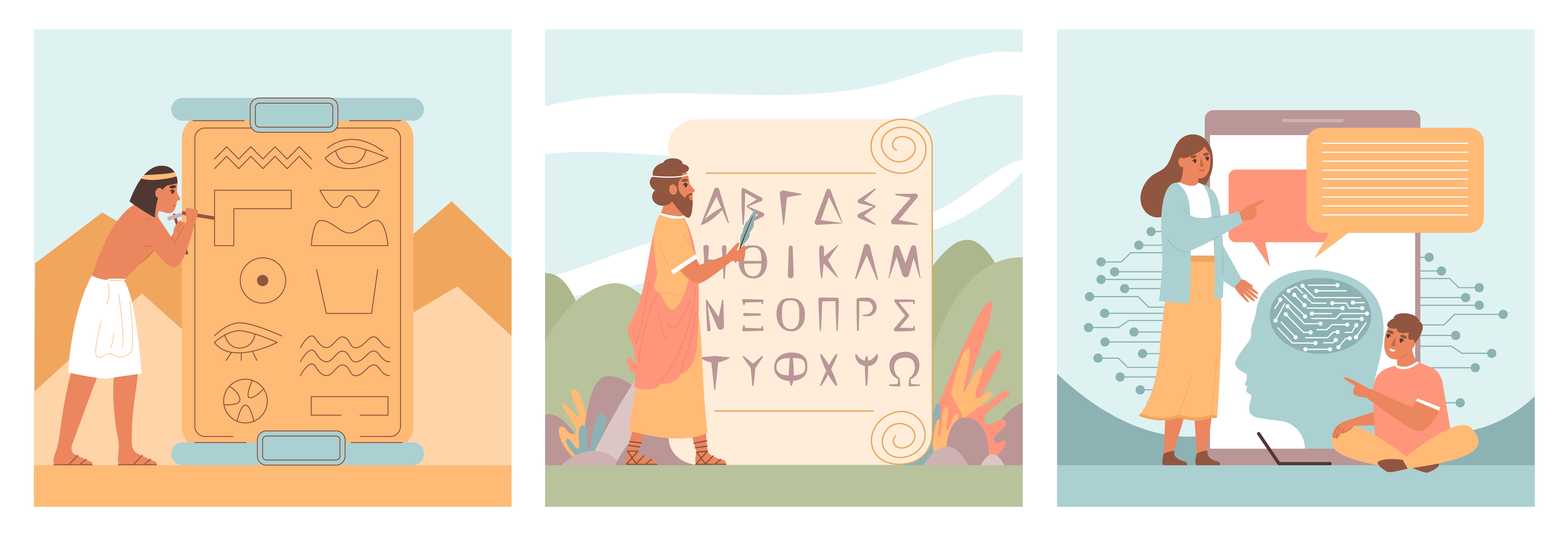
Greek philosophers like Plato and Aristotle explored questions about memory, learning, and the mind-body relationship. These early reflections laid the groundwork for the development of psychology as a scientific discipline.
19th Century – Psychology Becomes a Science
In 1879, Wilhelm Wundt established the first psychological laboratory in Leipzig, Germany. From that moment, psychology began to develop as an independent science, using experimental methods to study human experience.
Early 20th Century – Different Schools of Thought
• Psychoanalysis: Sigmund Freud brought attention to the unconscious mind and the importance of early life experiences.
• Behaviorism: Watson and Skinner focused on observable behavior, temporarily sidelining the study of the mind.
Mid-20th Century – The Cognitive Revolution
By the 1950s–60s, research shifted back to internal mental processes such as memory, language, thinking, and perception. This movement gave rise to cognitive psychology.
Modern Psychology
Today, psychology is multidimensional:
• It incorporates neuroscience to understand brain function.
• It applies psychotherapy to improve mental health.
• It develops positive psychology to enhance well-being and resilience.
Conclusion
The history of psychology is a story of curiosity and evolution. From ancient philosophy to modern science, the goal remains the same: to understand humans and find ways to improve their quality of life.